

The Toyota Camry has been a representation of comfort, reliability, and modernism for more than 40 years. It came out in 1982 and speedily became known around the world as a midsize sedan that was both practical and fun to drive. Over the years, Toyota has updated the Camry’s blueprint, performance, and machinery to meet changing buyer needs and stay ahead in a cutthroat car market.
The Camry’s history demonstrates how much Toyota cares about quality. The first versions were all about being reliable and getting excellent gas mileage. Now, the latest models combine a sporty appearance with the latest safety features. Each new type of car incorporates new engineering improvements, making driving more comfortable and increasing the car’s efficiency. This is why it is still one of the best-selling cars in its class every year.
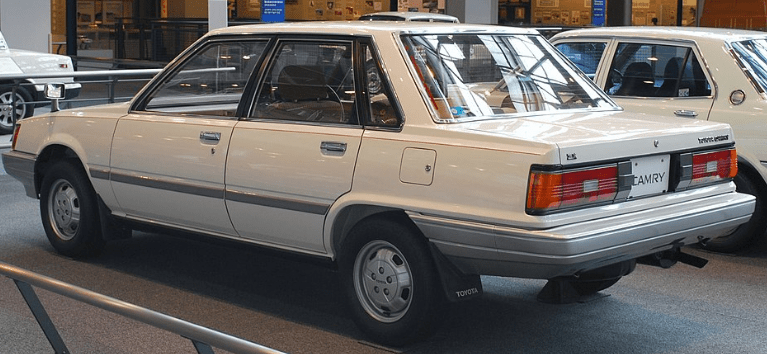
1st Generation (1982–1986) – The Beginning of Toyota Camry
The Toyota Camry first came out in Japan in 1982. It was the start of what would become one of the most popular mid-size sedans in automotive history. It was a big change from Toyota’s prior models, which were mostly rear-wheel-drive. This one was designed to be a front-wheel-drive sedan. There were two basic body styles for the first-generation Camry: a utilitarian 4-door sedan and a versatile 5-door liftback. These models were beneficial for both families and city dwellers.
The Camry had compact, fuel-efficient 4-cylinder engines under the hood. This was because more people across the world wanted more fuel-efficient cars, and the vehicle had lower emissions in the early 1980s. Toyota put a lot of focus on the Camry’s comfort, dependability, and suitability for everyday use, making it a good choice for many drivers.
Toyota began sending the Camry to North America in 1983 to replace the old Toyota Corona. The model immediately became known for its smooth ride, high-quality construction, and cheap upkeep expenses, which helped it make a favorable name for itself in the competitive U.S. market. This generation set the stage for the Camry to become known as a reliable, long-lasting, and family-friendly car.
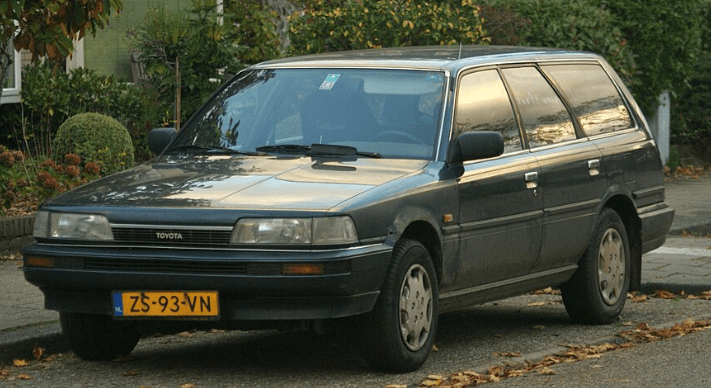
2nd Generation (1986–1991)— Toyota Camry Initial Growth
The second version of the Toyota Camry was an improvement in both size and quality. The body was a little longer and wider than the first model, which gave passengers more room inside. This improvement made it more acceptable to families who wanted comfort and usefulness on their everyday drives. With the addition of a new 2.5L V6 engine, the car got a big makeover.
The new engine gives the car more power and performance while still getting excellent gas mileage. Toyota also improved the ride by adjusting the suspension to make it smoother and quieter, which made the cabin more pleasant. At this point, the Camry was becoming very popular in the U.S. market, especially as a durable and well-built family car. The Camry’s reputation in the years to come was based on its reliable engineering, comfortable interiors, and more powerful engine options.
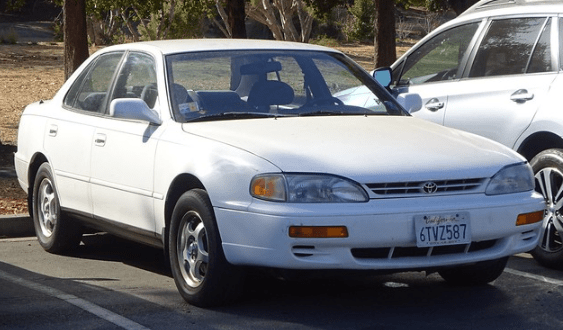
3rd Generation (1991–1996)— Toyota Camry Mid-Size Transition
Toyota revolutionized the third-generation Camry to meet the demands of the U.S. mid-size sedan market, marking a significant advancement. This generation moved away from the boxy look of the 1980s and instead chose a more rounded and aerodynamic shape that looked better and used less gas. Toyota made the car bigger. Overall, these changes provided passengers with more legroom, a wider cabin, and additional room for cargo. These changes made it a better choice for families.
A station wagon version was released for the first time in several regions. This variant appealed to purchasers who required more options. People immediately came to know that the Camry of this time was quite reliable, didn’t need a lot of care, and was built very well. Its smooth ride, quiet cabin, and long-lasting quality make it a fantastic choice for both commuters and families, making it a reliable mid-size sedan for everyone.
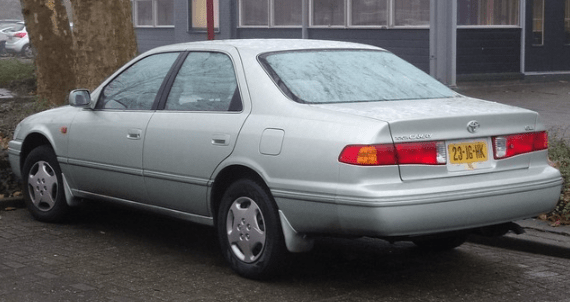
4th Generation (1996–2001) – Toyota Camry Refinement & Popularity
The fourth-generation Toyota Camry, which came out in 1996, was a big step forward in the model’s development. Built on a somewhat larger platform, it boasted a notably larger and more comfortable interior. This made it appealing to both families and people who had to drive a long way to work. The cabin had better materials, softer touchpoints, and a more attractive design, which made it feel pricier without costing more. Toyota also put significant effort into improving the car. Thicker glass, better door seals, and more sound-deadening materials all worked together to make the ride hushed, especially on bumpy roads.
The Camry still had an option between a reliable and fuel-efficient 4-cylinder engine and a smooth, quick V6 for people who wanted more power. Both engines were noted for lasting a long time, needing little maintenance, and running smoothly, which added to Toyota’s reputation for dependability. Tuning the suspension and chassis made the handling more stable while keeping the ride soft and comfortable, which appealed to many people.
With standard dual front airbags, optional side airbags, anti-lock braking systems (ABS), and better crash protection, safety became a bigger selling point. The outside design was conservative, yet it had a classic, aerodynamic shape that aged well.
These features, together with Toyota’s promise of durability, enabled the fourth-generation Camry to take the top spot in U.S. sales charts, making it the best-selling car in the country several times during this time. It wasn’t showy, but it gave purchasers what they wanted: comfort, dependability, and a good price. This generation made the Camry the best mid-size sedan for millions of drivers throughout the world.
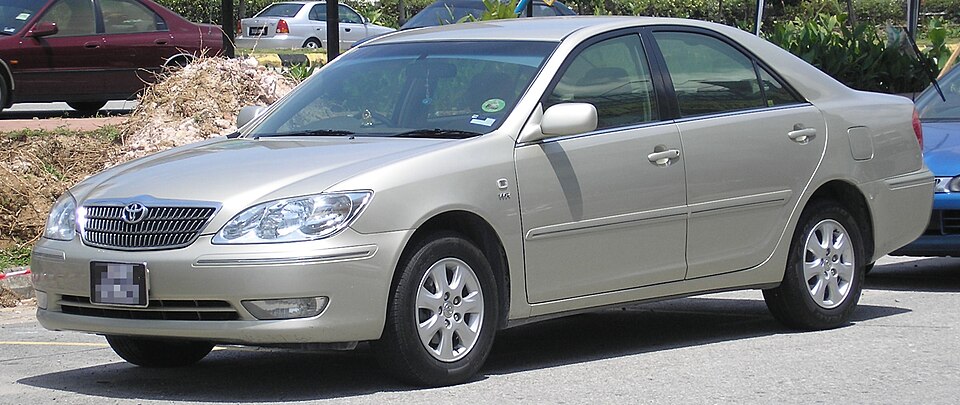
5th Generation (2001–2006) – Toyota Camry Goes Modern with Style and Comfort
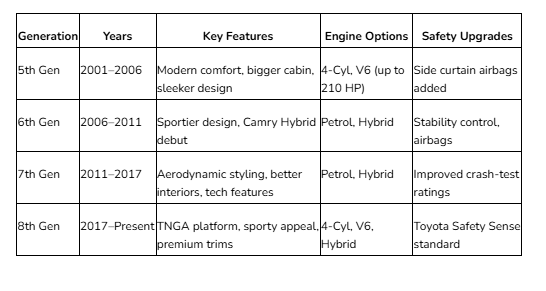
The fifth generation of the Toyota Camry was a big step toward a more modern, comfortable, and polished driving experience. The design got sleeker, with smoother lines and bigger dimensions that gave passengers more room in the cabin and made the car look bigger on the road. Toyota added a more powerful V6 engine that can produce up to 210 horsepower. This boosted performance while keeping the Camry’s reputation for durability.
Safety also got a big boost with the addition of innovative equipment like side curtain airbags, which gave people within the car more protection in case of a crash. This generation struck a good mix between performance, comfort, and safety, which drew in a wide variety of purchasers. The model’s mix of modern design, reliable engineering, and extra safety features led to record-breaking sales. These achievements only added to the Camry’s status as one of the best-selling and most trusted sedans in the world.
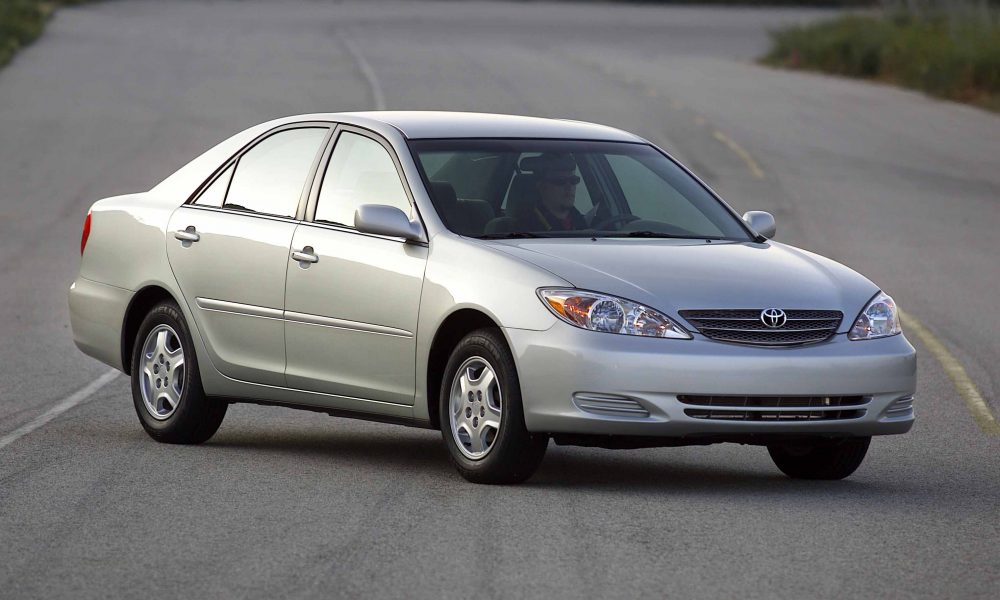
Toyota Camry XV30 Launched in India
In 2002, the Toyota Camry was officially launched in India. It was introduced as a premium sedan, directly competing with Honda Accord and Skoda Superb. The Camry became a popular choice among executives and professionals who wanted a reliable and luxurious car. Though sold as a CBU (Completely Built Unit), it gained recognition as one of Toyota’s flagship models in India.
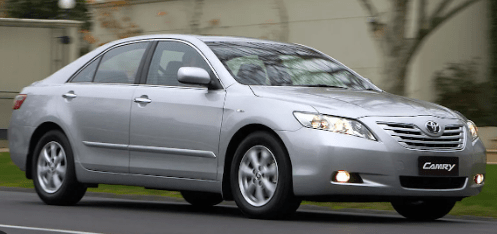
6th Generation (2006–2011)— Toyota Camry gets Sportier
The sixth generation of the Toyota Camry represented a clear shift towards a sportier and more energetic design. Toyota altered the outside of the Camry to make it more attractive to young buyers. They made the frontage grille bolder, the headlamps sleeker, and the side profile more belligerent. They also maintained the Camry’s reputation for convenience.
The Camry Hybrid came out in 2006, which was one of the most significant events for this generation. This model had the same console, space, and robustness as the Camry. But it also included a hybrid drive that was good for the setting. It gave drivers a more eco-friendly preference without giving up either performance or accessibility.
The interior received a technological upgrade, featuring enhanced infotainment capabilities and materials that contributed to a more luxurious feel. Safety was also a top apprehension, and improvements like side-curtain airbags, stability control, and better crash-test ratings were made.
Although the Camry’s appearance became sportier, it remained a top choice for families and daily commuters because it offered a smooth ride, high resale value, and exceptional reliability. This generation was able to bond predictable comfort with modern, attractive appeal.
In India, the 6th-generation Camry was launched in 2006. Initially, it continued as a CBU import, but by 2009, Toyota began assembling it locally at its plant in Bidadi, Karnataka. This made the Camry slightly more affordable for Indian buyers. It was known as a luxury executive sedan and began gaining ground in the corporate market.
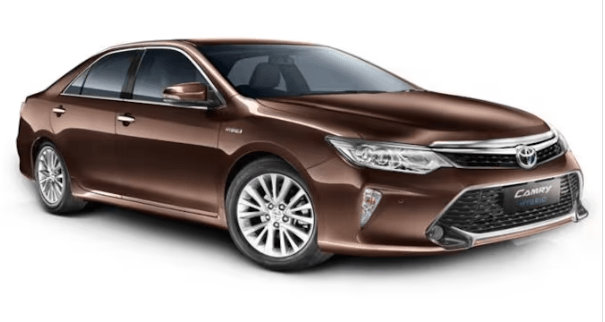
7th Generation (2011–2017)—Efficiency & Tech
The seventh-generation Toyota Camry had a sharper, more aerodynamic look on the outside, which made it look sportier and more modern. Toyota improved the cabin with a cleaner layout, better materials, and a dashboard that prioritized the driver’s needs. Toyota used high-tech materials to make the car lighter, which made it more fuel-efficient without losing comfort or durability.
During this time, technology made a tremendous leap. Most trims now come with Bluetooth connectivity, USB ports, and touchscreen infotainment as standard amenities. Higher trims have more advanced features, including navigation, high-end music systems, and better tools to help the driver.
The Camry Hybrid gained popularity around this time due to its improved mileage and reduced pollution, which benefited the environment. This generation made the Camry’s reputation as a practical yet forward-thinking midsize car even stronger because it blends better performance, new features, and environmental responsibility.
In India, Toyota launched the 7th-generation Camry in 2012, offering both petrol and hybrid options. The hybrid model, introduced in 2013, was locally assembled in India, making it the first hybrid vehicle manufactured in the country. This was a milestone for Toyota India, highlighting its commitment to eco-friendly mobility. The Camry Hybrid quickly became a popular choice among environmentally conscious buyers and government officials.
8th Generation (2017–Present)—Performance Meets Style
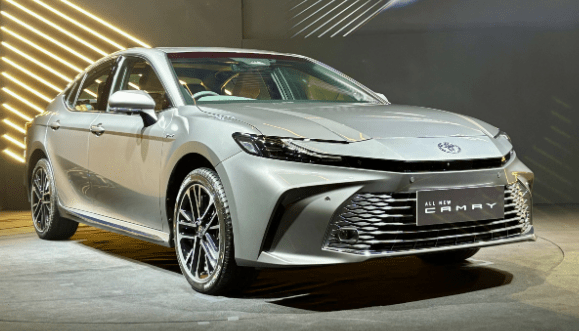
The 2017 release of the eighth generation of the Toyota Camry was a big step forward for the famous sedan. It is built on Toyota’s innovative TNGA (Toyota New Global Architecture) platform, which makes it easier to handle, more comfortable to travel in, and stiffer overall. This change in design not only makes the Camry more nimble, but it also gives drivers more confidence, whether they’re in city traffic or on the highway.
The 8th-gen Camry’s style changed from its usual conservative look to a sportier, more aggressive one. It has never been easier to spot on the road because of its sleek lines, strong front grille, and choice of two-tone color. Toyota included more powerful yet fuel-efficient engines under the hood, such as a refined four-cylinder and a strong V6. They also modified the transmission for smoother operation. Hybrid choices also got better, giving you an eco-friendly ride without losing power.
This generation puts a lot of emphasis on safety, and all trims now come with Toyota Safety Sense as standard. This suite has adaptive cruise control, lane departure warning, and pre-collision technologies, which set new standards for driver assistance in this class. The Camry currently comes in various trims, including the comfort-focused LE, the sporty XSE, and the TRD performance variation, which gives you a dose of adrenaline. This means it can meet a wide range of driving needs.
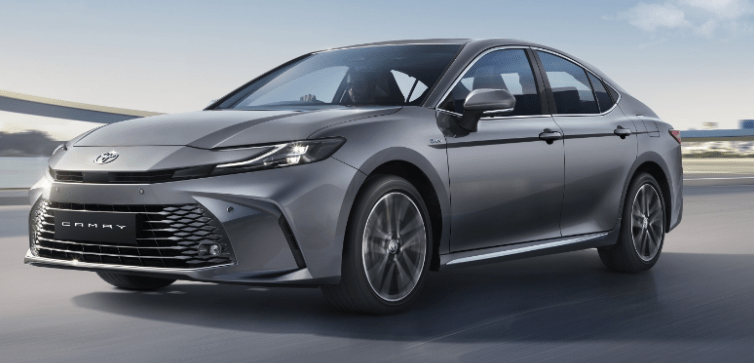
In India, the 8th-generation Camry was launched in 2019 with a strong hybrid powertrain, built on the TNGA platform. This made it one of the most advanced hybrids in the country. The Camry Hybrid gained popularity among luxury sedan buyers seeking performance with eco-friendliness. It remains Toyota’s flagship luxury sedan in India, blending premium features, hybrid technology, and unmatched reliability.
Toyota Camry in India – Key Milestones
- 2002 – Toyota Camry launched in India as a premium imported sedan (CBU). Competed with Honda Accord and Skoda Superb.
- 2006 – 6th-gen Camry arrived, continuing as a luxury executive car.
- 2009 – Local assembly began at Toyota’s Bidadi plant in Karnataka, reducing prices and making it more accessible.
- 2012 – 7th-gen Camry introduced with petrol engine; targeted premium sedan buyers.
- 2013 – Camry Hybrid launched and locally manufactured – the first hybrid car built in India.
- 2017 – Global launch of 8th-gen Camry with TNGA platform.
- 2019 – 8th-gen Camry Hybrid launched in India, blending eco-friendly performance with premium luxury.
- Present – Continues as Toyota’s flagship luxury sedan in India, known for hybrid technology, reliability, and comfort.
Toyota Camry Generations (Global Highlights)
Wrapping Up
The tale of how the Toyota Camry has evolved over time is one of constant change while retaining its best features. It has evolved from a reliable family car to a fashionable, high-performance vehicle that many people aspire to drive. The latest 8th-generation Camry has significantly evolved. It boasts a daring design and a TNGA chassis. The car features a stylish design, powerful engine options, and modern driver-assistance systems. But it still has the same promise of comfort, reliability, and long-term value that made it famous. The Camry shows that a car can evolve while keeping its original appeal.
In India, the Toyota Camry made its debut in 2002 as a premium luxury sedan, targeting business leaders and professionals. Initially offered as a CBU import, it was positioned against rivals like the Honda Accord and the Skoda Superb. A key milestone came in 2009 when Toyota began assembling the Camry locally in Karnataka, making it more accessible to Indian buyers. Another historic moment was in 2013, when Toyota introduced the locally manufactured Camry Hybrid, the first hybrid car to be produced in India. This move reinforced Toyota’s leadership in eco-friendly technology. In 2019, the 8th-generation Camry Hybrid arrived with TNGA architecture, blending performance, fuel efficiency, and premium comfort. Today, the Camry continues to serve as Toyota’s flagship luxury sedan in India, trusted for its hybrid technology, reliability, and executive-class appeal.