
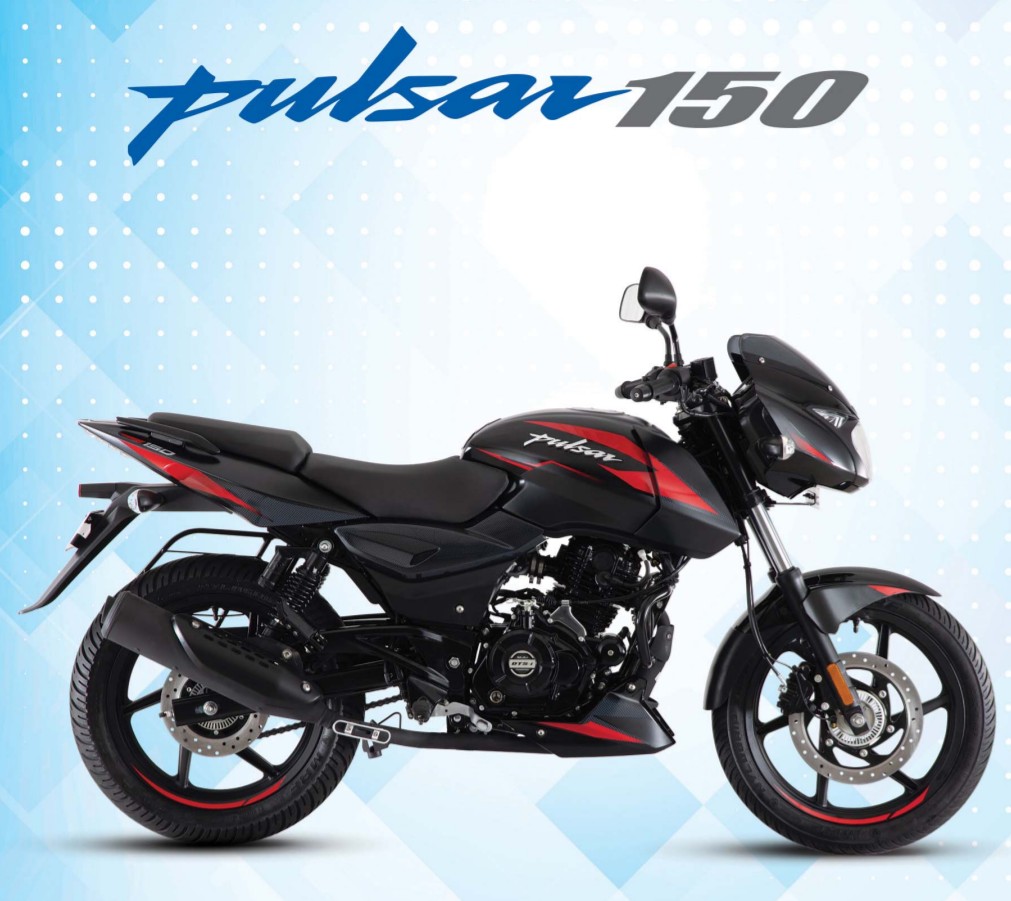

Bajaj Auto has given its classic Pulsar 125 and Pulsar 150 a substantial update, focusing on technology, chassis hardware and everyday usability. The latest motorcycles retain the familiar Pulsar identity but add features such as a 5-inch TFT display on applicable variants, LED lighting, smartphone-oriented functions and a revised rear suspension setup.
The Pulsar 125 remains aimed at buyers looking for a practical 125cc motorcycle with sporty styling, while the Pulsar 150 continues to sit between commuter-focused motorcycles and more performance-oriented 160cc machines.
New Pulsar 125 and Pulsar 150 Price

The supplied launch information quotes starting prices of Rs 92,990 for the Pulsar 125 and Rs 1.15 lakh for the Pulsar 150. Bajaj’s official website can show different live prices by variant and location, so buyers should verify the exact ex-showroom price before purchase.
New 5-Inch TFT Console Adds a Premium Touch
One of the most visible upgrades is the new 5-inch TFT instrument console. The display brings the classic Pulsar range closer to newer motorcycles that offer larger digital interfaces and connected functions.
Depending on the variant, the updated motorcycles are described as offering turn-by-turn navigation and screen-mirroring functionality. A Type-C charging port is also part of the equipment package, giving riders a more convenient way to keep a smartphone charged during daily use.
Pulsar 125 Gets Ride Modes and Idle Start-Stop
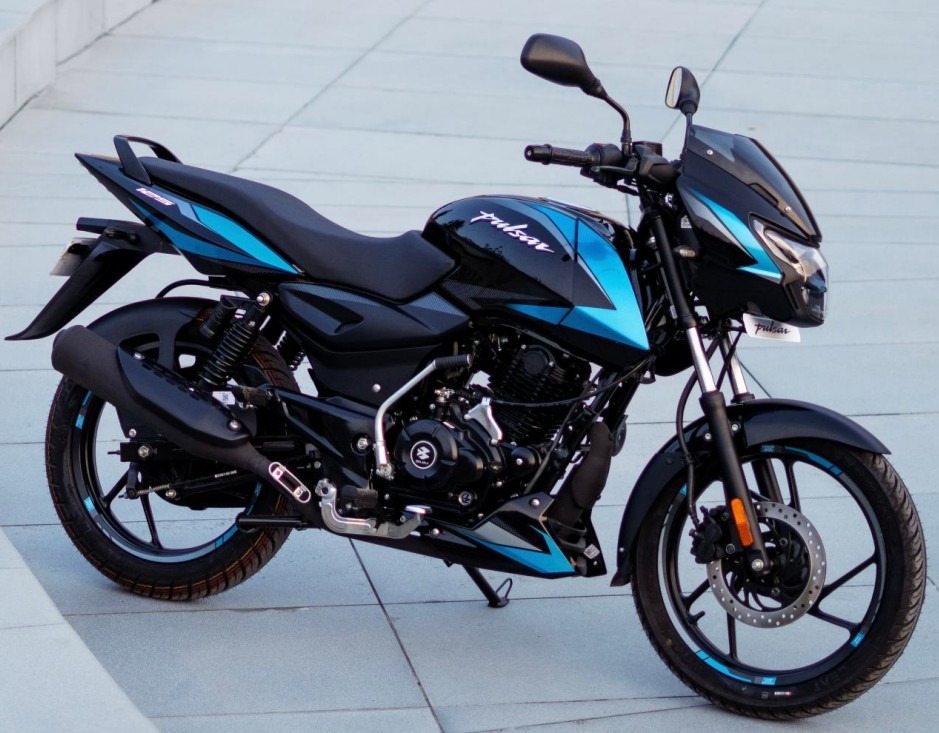
The Pulsar 125 gets a particularly notable technology upgrade with Sport, Road and Rain riding modes. These modes are intended to alter the motorcycle’s response for different riding conditions.
The Pulsar 125 also gets an idle start-stop system. In regular urban traffic, this feature can help reduce unnecessary engine idling during stops, although its real-world benefit will depend on traffic conditions and riding habits.
Monoshock Suspension and Revised Chassis
The updated motorcycles also receive changes to the rear suspension and chassis hardware. The new monoshock setup is a significant departure from the twin-shock arrangement associated with the earlier motorcycles.
A monoshock can help manufacturers tune the motorcycle’s handling and ride characteristics while also giving the rear end a more contemporary appearance. The revised hardware should make the updated Pulsars feel different from their predecessors, although the actual improvement in ride quality is best judged through a road test.
Design and Lighting Updates
The Pulsar 125 and Pulsar 150 continue with the muscular styling associated with the classic Pulsar family. New graphics provide a visual refresh, while the all-LED lighting setup gives the motorcycles a more modern appearance.
Pulsar 125: Engine, Brakes and Variants
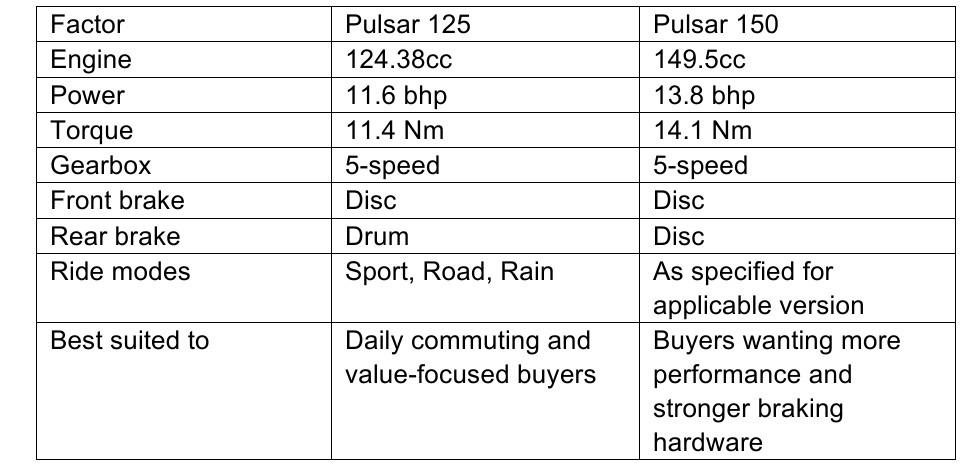
The Pulsar 125 continues with a 124.38cc single-cylinder engine producing 11.6 bhp and 11.4 Nm, according to the supplied launch specifications. The engine is paired with a 5-speed manual gearbox, wet multi-plate clutch and electronic ignition.
For braking, the Pulsar 125 gets a front disc brake, while the rear continues with a drum brake. The motorcycle is offered in three variants, with the top-spec version featuring a split-seat setup and lower variants retaining a single-piece seat.
Pulsar 150: Engine and Twin-Disc Brakes
The Pulsar 150 uses a 149.5cc single-cylinder, four-stroke, oil-cooled engine with fuel injection and Twin Spark technology. It produces 13.8 bhp and 14.1 Nm in the supplied specifications.
The engine is paired with a 5-speed gearbox and wet multi-plate clutch. Unlike the Pulsar 125, the Pulsar 150 gets disc brakes at both ends, giving it a more substantial braking hardware package.
New Pulsar 125 vs Rivals
The Pulsar 125 competes with motorcycles such as the Hero Xtreme 125R, TVS Raider 125 and Honda SP 125. Its updated technology package is likely to be one of its strongest selling points, particularly for buyers who want a traditional motorcycle with modern equipment.
New Pulsar 150 vs Rivals
The Pulsar 150 faces competition from the Honda CB Unicorn 160 and TVS Apache RTR 160. The Pulsar’s appeal lies in its familiar styling, 150cc engine, everyday usability and the addition of newer technology
Pulsar 125 vs Pulsar 150: Which One Makes More Sense?
Key Highlights
• Pulsar 125 starting price mentioned at Rs 92,990.
• Pulsar 150 starting price mentioned at Rs 1.15 lakh.
• 5-inch TFT console on applicable variants.
• Turn-by-turn navigation and screen mirroring functionality.
• All-LED lighting setup.
• Monoshock rear suspension.
• Type-C charging port.
• Pulsar 125 gets Sport, Road and Rain ride modes.
• Pulsar 125 gets idle start-stop technology.
• Pulsar 150 gets twin-disc brakes.
• Both motorcycles use 5-speed manual gearboxes.
Frequently Asked Questions
What is the price of the new Bajaj Pulsar 125?
The supplied launch information quotes a starting price of Rs 92,990, ex-showroom.
What is the price of the new Bajaj Pulsar 150?
The supplied launch information quotes a starting price of Rs 1.15 lakh, ex-showroom.
Does the new Pulsar 125 get ride modes?
Yes. The supplied information says the Pulsar 125 gets Sport, Road and Rain ride modes.
Does the Pulsar 125 get a TFT display?
The updated range includes a 5-inch TFT console on applicable variants.
Does the Pulsar 150 get disc brakes at both ends?
Yes. The supplied specifications state that the Pulsar 150 gets front and rear disc brakes.
Who are the main rivals of the Pulsar 125?
The Pulsar 125 competes with motorcycles including the Hero Xtreme 125R, TVS Raider 125 and Honda SP 125.
Who are the main rivals of the Pulsar 150?
The Pulsar 150 competes with motorcycles including the Honda CB Unicorn 160 and TVS Apache RTR 160.